Gambling Psychology Online vs Land Based: How Context Shapes Play
The room changes the mind, and that is the whole story when you compare gambling psychology online vs land based. Screens flatten the room, while a physical floor carries noise, pace, and the pull of other people watching the same spin. We built this piece for adults 18+ who want honest context, not hype, with a practical look at how each setting shapes attention, pace, and the choices players actually make.
How the room changes the mind
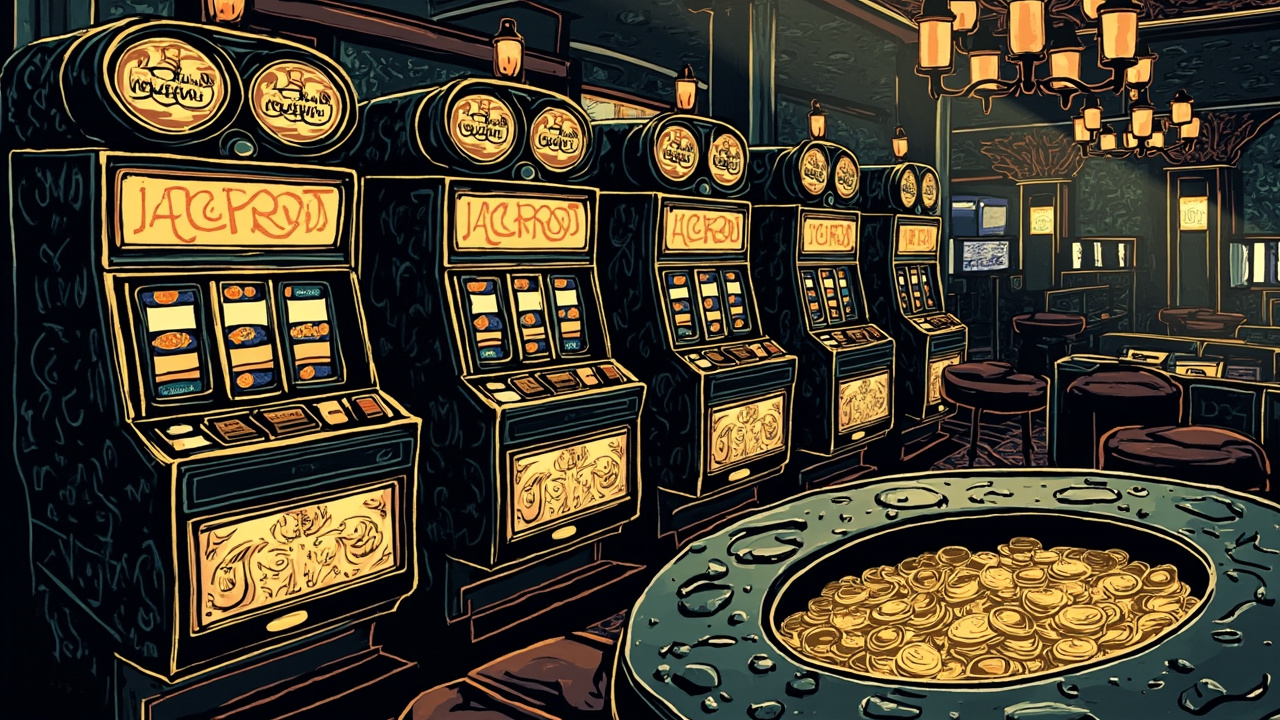
A physical casino floor runs on atmosphere as much as maths. The clatter of chips, the rhythm of a crowded table, and the way staff move through the space all feed a kind of social momentum that pulls attention outward. Players often read the room before they read their own bankroll, and that can stretch a session longer than planned because the environment keeps offering cues to stay. Online play strips most of that away. A browser tab or app puts the same mechanics in a quieter, more private setting, which can sharpen focus but also remove the natural pauses that a busy floor creates. From a digital-engagement point of view, I have watched session length and return frequency respond more to interface friction than to the game itself, which is why layout and pacing matter as much as the offer. If you want to compare how a specific platform handles that balance, a crocospins login to account is one practical place to see how the lobby, tables, and pacing sit together before you judge the experience.
What shifts when the floor moves online
Attention and pace
Online play compresses decision time. A lobby, quick filters, and one-click table entry reduce the small delays that a physical floor naturally inserts, so sessions can move faster without the player noticing the drift. That speed is useful for people who want a short, focused session, but it also means the stop signal has to be more deliberate. On a land-based floor, the walk back to the chair, the queue for a table, and the noise around you all create small reset points. Those pauses are not dramatic, but they do interrupt momentum. The trade-off is simple: online convenience can improve control for disciplined players and weaken it for anyone who treats speed as a cue to keep going.
Social cues and self-control
A crowded table carries visible cues: other players reacting, staff checking the pace, and the general sense that you are part of a shared moment. Those cues can be grounding, but they can also nudge people to match the room rather than their own plan. Online play removes most of that social layer. Some players find that calmer and easier to manage; others miss the natural braking effect of a busy environment. Either way, the self-control burden shifts. In a private setting, the player has to generate their own pauses and limits instead of leaning on the room to do part of that work.
Limits, friction, and the feel of money
The way money feels changes with the setting. Physical chips and cash create a tactile sense of depletion that many players notice, even when they are still making the same decisions. Digital balances can feel cleaner and less textured, which is convenient but can also soften the sense of spend. Good online design compensates with clear balance displays, visible limits, and straightforward sessions that do not hide the numbers in clutter. That is where usability becomes a real factor rather than a cosmetic one. A well-built lobby should make it easy to check pace, see where you stand, and step away without hunting through menus.
A few practical signs that the environment is supporting better decisions:
- visible balance and session info without digging through menus
- clear table limits that match the stake you actually intended
- fast access to pause, set a reminder, or step away crocospins login to account
- a pace that feels deliberate rather than rushed by design
- support options that are easy to find before you need them
Who the different settings suit
Player fit comes down to how someone handles pace, privacy, and cues. Online play tends to suit people who want a quieter session, quicker access, and tools that make limits visible without relying on the room around them. Land-based play tends to suit people who like the social texture of a floor, the physical rhythm of chips and tables, and the way a busy environment creates natural pauses. Neither setting is automatically better for control; they simply place the responsibility in different spots. As Jack O’Brien, Affiliate Partnerships Director, Nullarbor Gaming Analytics, puts it, the measurable difference is often in how quickly a player can re-enter a session, not just how long they stay. As Claire Walker, Head of Live Casino, Outback Gaming Research, notes, live tables can still carry a social pulse, but the private screen changes how players read risk and timing. As Adam Hall, Risk and Integrity Manager, Laneway Interactive Media, warns, the environment can soften or sharpen discipline, so the setting should match the player’s habits rather than the other way around.
Around Cairns, the local rhythm matters too. A weekend trip to a regional venue can make a land-based session feel like part of a broader outing, while a quiet arvo at home often suits a shorter online session with a clear start and finish. That is not a value judgement; it is just a different fit for different plans.
Making the setting work for your habits
The useful question is not which format wins, but which one you can manage without fighting it. If you play better with visible limits, quick access, and a private space, online play may line up with your habits. If you respond to social pacing, physical cues, and a room that naturally interrupts momentum, a land-based session may feel more comfortable. Either way, the smart move is to match the setting to the kind of control you actually have, not the kind you wish you had. Set a limit before the session, use the environment’s strengths instead of pretending they do not exist, and treat pace as part of the decision rather than an afterthought. Casinoboan
No worries, the format itself is not the whole answer; the habits around it are. If the setting helps you keep a clear head and a clear limit, it is doing its job. If it quietly pushes you past the line you meant to hold, the psychology of the room or the screen is working against you, and that is the part worth fixing first.